
Wendy’s Closures 2026: Hundreds of U.S. Locations Shutting Down in Major Strategy Shift
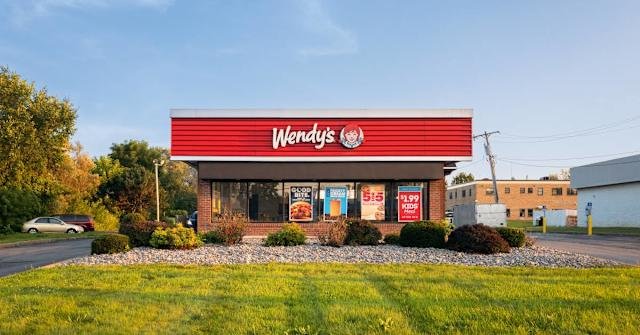
UNITED STATES — Wendy’s plans to eliminate hundreds of restaurant locations throughout the country by 2026 as part of a big campaign to boost profitability and modernize its brand.
The move is expected to impact approximately 5% to 6% of its nearly 6,000 U.S. locations, translating to roughly 300 to 360 restaurants potentially shutting down.
A Major Shift for a Fast-Food Giant
Wendy’s, founded in 1969 and known for its square burgers and Frosty desserts, has long been one of the most recognizable names in fast food.
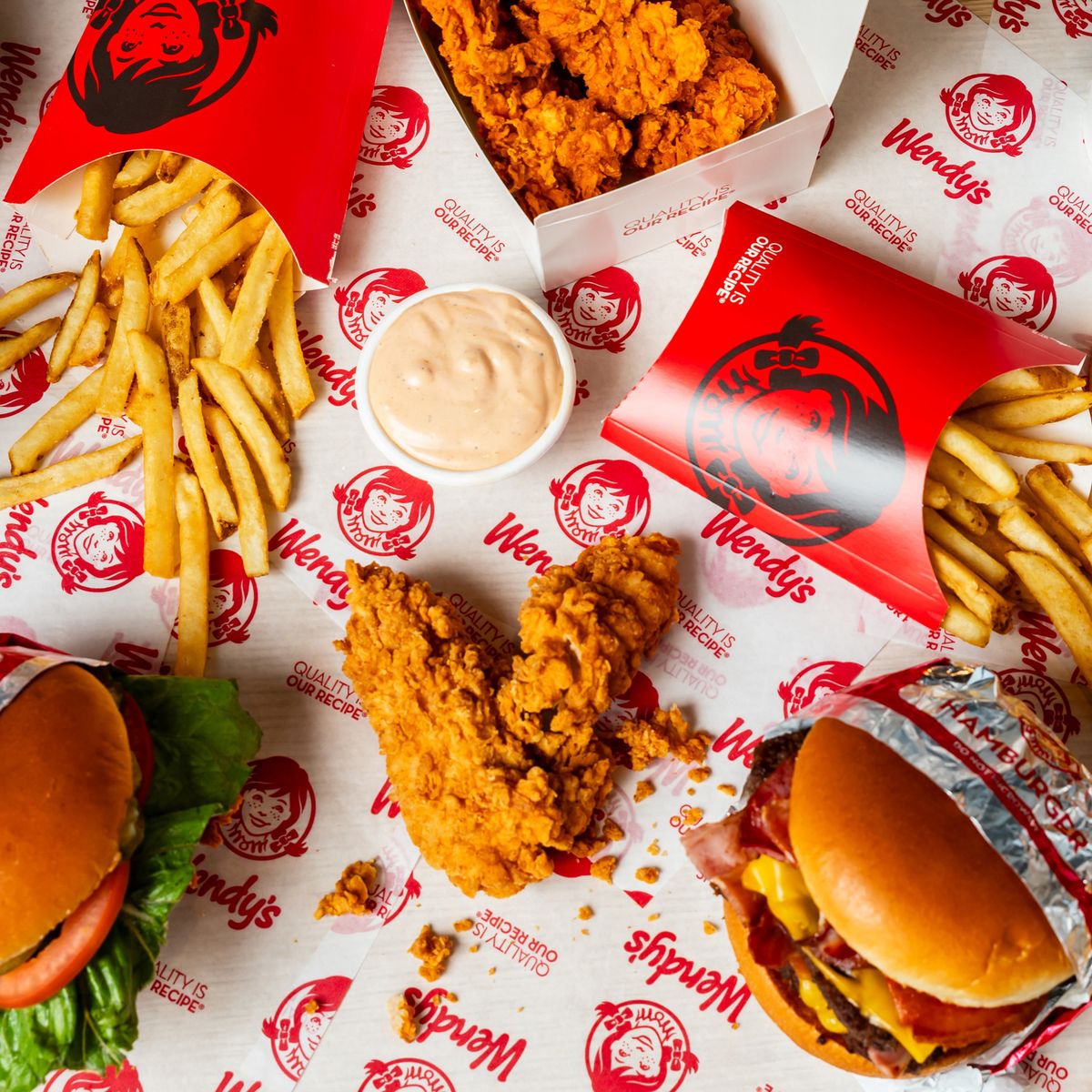
However, like many chains, it has been under increasing pressure in recent years due to rising expenses, changing consumer patterns, and fierce competition in the market.
The anticipated closures are part of a larger attempt to streamline operations and concentrate on higher-performing locations, rather than maintaining a vast but uneven presence.
What Made Wendy’s Stand Out
For decades, Wendy’s built its brand on freshness and differentiation.
Its use of fresh (not frozen) beef, inventive menu choices, and strong brand personality set it apart from the competition. It also maintained a loyal consumer base by offering value-driven bargains and consistent quality.
Even today, the chain remains one of the top burger brands in the U.S., with millions of customers visiting its locations regularly.
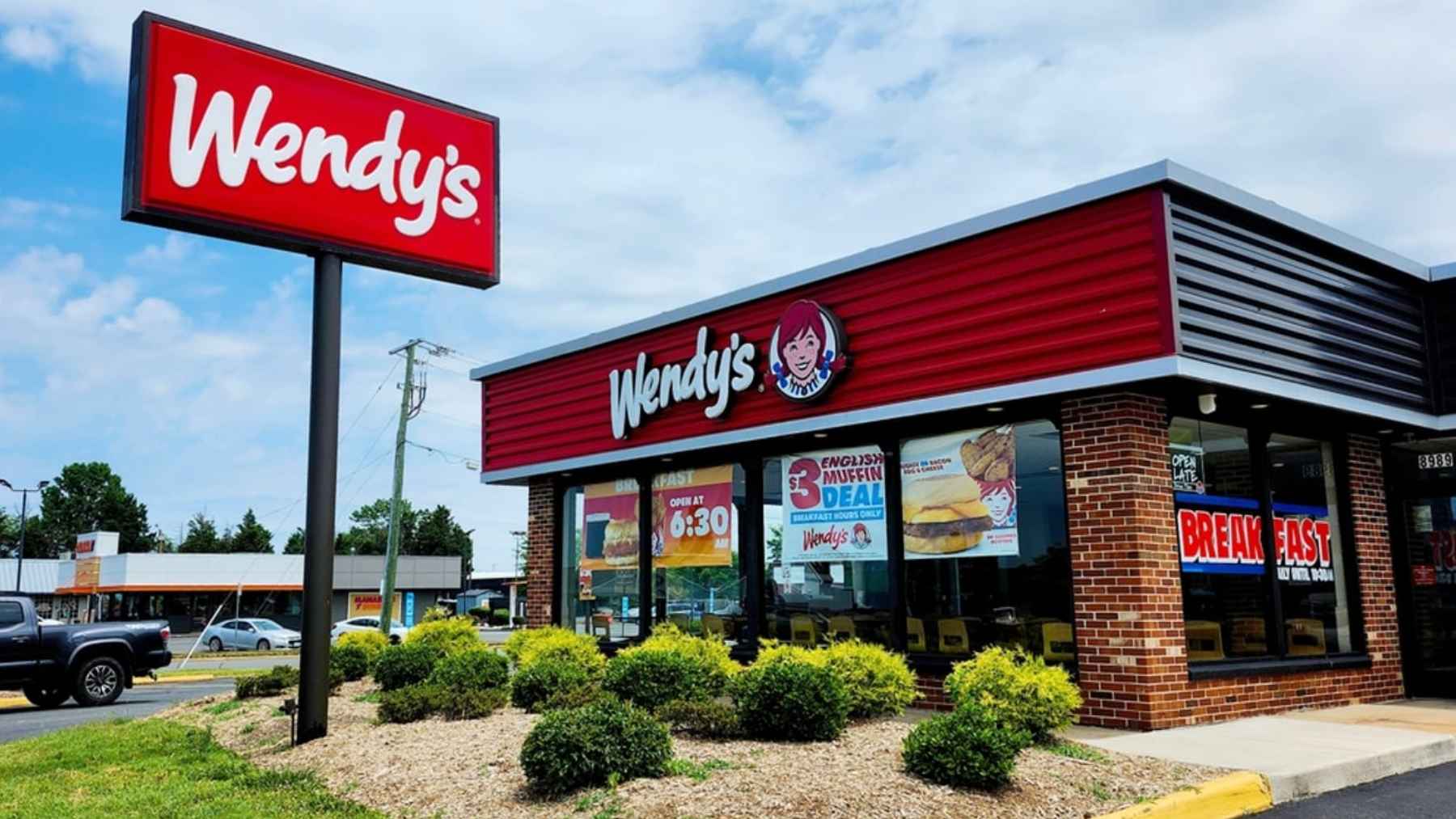
Why These Locations Are Closing
The primary reason behind the closures is underperformance.
According to business leadership, several sites are failing to fulfill financial targets or provide the level of customer service that the brand promises.
Key factors include:
- Declining sales at specific locations
- Outdated restaurant infrastructure
- Lower customer traffic in certain markets
- Rising operational costs, including labor and food
Rather than continuing to operate struggling stores, Wendy’s plans to either close them or invest in upgrades where possible.
Some venues may be transferred to new operators rather than being completely closed.
My Take: Fewer Stores, Stronger Brand
From my perspective, this isn’t about Wendy’s shrinking — it’s about refining.
We are witnessing a trend in which large chains are no longer pursuing the number of locations. Instead, they prioritize efficiency, profitability, and customer experience.
Closing underperforming stores might sound negative, but in many cases, it’s a way to strengthen the overall brand.
Nonetheless, these closures can have a tremendous impact on local communities, especially when a neighboring location departs without warning.
The Bigger Picture
Wendy’s decision reflects a broader trend across the fast-food and restaurant industries.
Many chains are rethinking their footprints, shutting underperforming sites and investing in modernization and technology in better ones.
At the same time, economic pressures are changing how people spend on dining. Even fast food, which has historically been considered economical, is encountering issues as customers become more price-conscious.
The result is an industry that is growing more strategic, but also more selective.
What’s Next
The closures began in late 2025 and will continue until 2026, with decisions taken on a case-by-case basis.
Wendy’s has not released a specific list of affected locations, meaning customers may only find out through local announcements or signage.
At the same time, the company is investing in upgrades, technology advancements, and operational changes to strengthen its existing locations.
Final Thoughts
Wendy’s decision to close hundreds of stores is a huge milestone for the business, but it is not the end of its narrative.
Instead, it’s a shift toward a leaner, more focused version of the chain.
Have you seen changes at your local Wendy’s or noticed closures nearby? Share your experience with us on CityScoopNow — your insight helps track how the dining landscape is evolving.