
Red Lobster Closes Michigan and Texas Locations Amid Ongoing Financial Turnaround Struggles
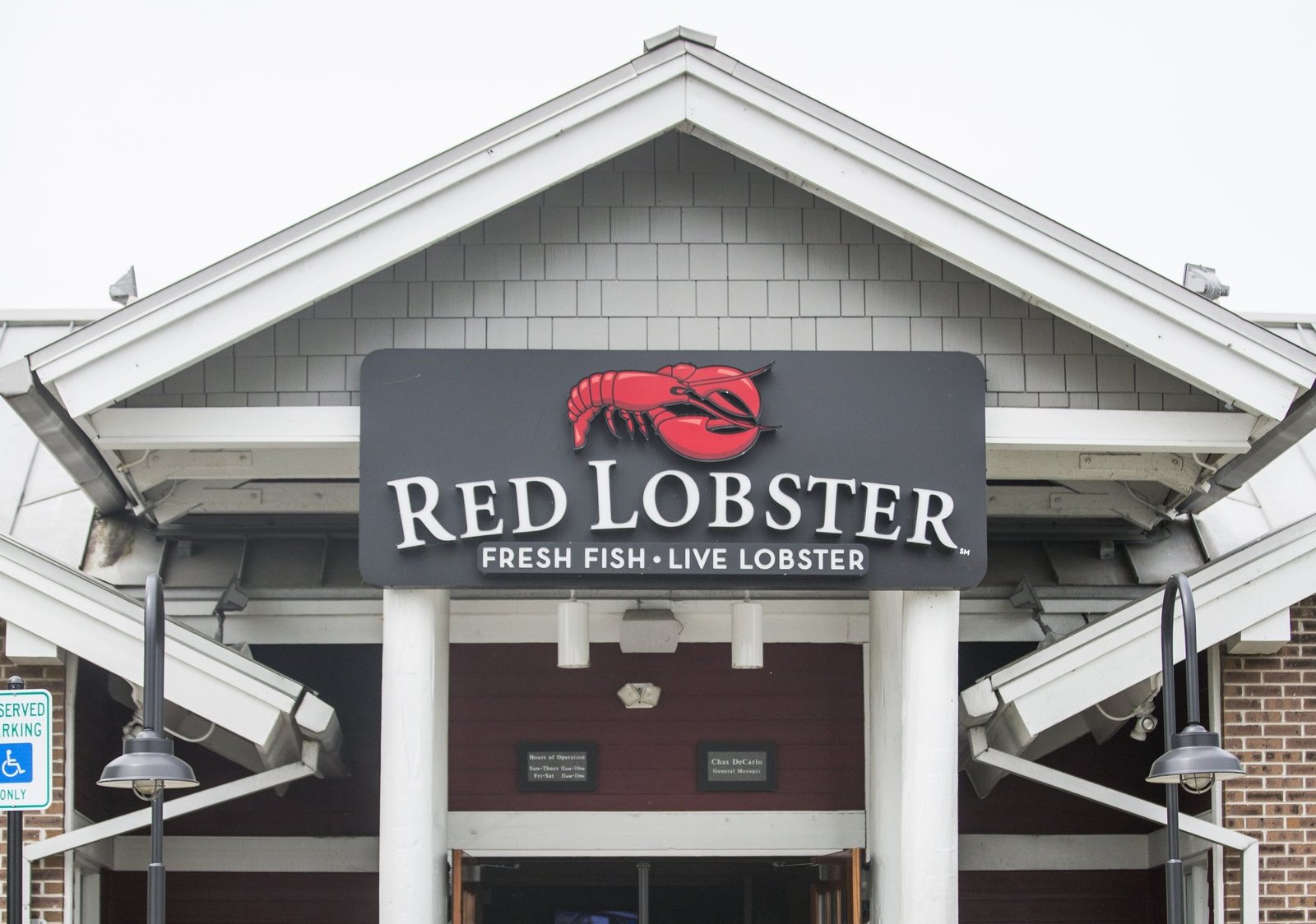
UNITED STATES –The restaurant industry’s ongoing shake-up continues, with Red Lobster closing two additional locations — one in Bangor Township, Michigan, and another in El Paso, Texas — while still attempting to restore its finances after a difficult few years.
A Longstanding Brand Facing Modern Challenges
For decades, Red Lobster has been a familiar name across the U.S., known for its seafood offerings and casual dining experience. However, in recent years, the corporation has struggled to keep up with shifting consumer preferences and rising operating costs.
The situation worsened when the business filed for bankruptcy in May 2024, indicating deeper structural and financial concerns. Since then, leadership has been working to reposition the brand through menu updates, expanded drink options, marketing collaborations, and even new catering services.
Despite these efforts, the turnaround has been far from smooth.

What Made It Stand Out
Red Lobster established its brand around accessibility, serving seafood in an approachable and consistent manner across all locations nationwide.
For many families, it became a go-to spot for celebrations, casual dinners, and familiar favorites. That constancy, paired with well-known menu mainstays, helped it become one of the most popular restaurant chains in the country.
Even now, the brand remains widely recognized, and industry data shows that it still draws significant customer traffic compared to smaller competitors.
Why These Locations Closed
The closures in Michigan and Texas are part of a larger strategy to cut underperforming locations that are draining company resources.
According to sources, approximately 100 locations in the company are regarded chronically unprofitable, owing to bad real estate agreements and hefty operational costs. These struggling locations have been impacting the company’s ability to recover financially.
Leadership has made it clear that these two closures may not be the last. Additional shutdowns are being contemplated as part of the continuing reorganization process.

The situation is complex: shutting locations carries its own financial responsibilities, such as lease termination expenses and asset write-downs, making each decision tough.
My Take: A Necessary but Painful Reset
From my perspective, this is about more than just two locations closing; it’s about a brand attempting to survive in a fast changing business.
Red Lobster’s situation highlights a tough reality: even well-known chains can’t carry underperforming locations indefinitely. Sometimes, scaling back is the only way forward.
But there’s also a deeper layer here. When a chain begins closing locations, it changes how people perceive the brand. It generates uncertainty not only for customers, but also for staff and the communities that surround such facilities.
However, if these closures help to stabilize the business in the long run, they may be a necessary step rather than a sign of failure.
The Bigger Picture
The broader U.S. restaurant industry is currently navigating a complex landscape.
On the one hand, overall consumer spending at restaurants is still increasing, indicating that demand has not subsided. On the other hand, rising costs, oversaturation of locations, and shifting dining preferences are forcing companies to rethink their footprint.
According to industry analysts, underperforming sites are increasingly being targeted for closure, particularly in the casual dining market, where competition is stiff and margins are tight.
This creates a paradox: the industry is growing, but not all players are benefiting equally.

What’s Next
Red Lobster’s leadership has indicated that more changes could be on the horizon.
As the company’s turnaround strategy continues, additional closures are possible, particularly for underperforming sites. At the same time, the brand is expected to keep investing in menu innovation, marketing, and operational improvements.
The goal is clear: streamline operations, decrease losses, and restore financial stability.
Whether that strategy succeeds will depend on how well the company can balance cost-cutting with maintaining customer trust and brand identity.
Final Thoughts
The closing of these two sites may appear insignificant on the surface, but it signals a much greater transition taking place within one of America’s most renowned restaurant franchises.
Red Lobster’s future strategy is based on survival and innovation rather than expansion.
Have you noticed restaurant closures in your area or changes in your favorite chains? Share your thoughts with us on CityScoopNow — your voice helps capture what’s really happening in communities across the country.